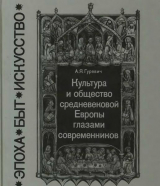
Текст книги "Культура и общество средневековой Европы глазами современников (Exempla XIII века)"
Автор книги: Арон Гуревич
Жанр:
История
сообщить о нарушении
Текущая страница: 24 (всего у книги 24 страниц)
154
Жонглер, играющий на арфе. Капитель собора в Модене. Начало 12 в.
155
Акробат. Медальон архивольта главного портала собора Сен Мадлен в Везелэ. Первая половина 12 в.
156
Музыканты. Миниатюра из Велиславовой Библии. Около 1340. Прага, Национальная библиотека, м XXIIIС 124, л. 72а.
157
Сцена из жизни студентов. Медальон с южного портала собора Парижской богоматери. 12 в.
158
Сцены из жизни дурных священников. Миниатюра из «Морализирующей Библии». Первая половина 13 в. Париж, Национальная библиотека.
159
Монах-келарь – пьяница. Прорись
160
Развратный монах. Иллюстрация к «Декамерону». Франция, около 1435. Париж, Национальная библиотека.
161
Дьявол, раздающий отпущение грехов. Работа чешского мастера. Около 1500. Прага, Национальная библиотека.
162
Воскресение мертвых. Рельеф собора Сен Лазар, Отен. 12 в.
163
Иуда, повешенный бесами. Капитель в соборе Сен Лазар, Отен. 12 в.
164
Добрый и дурной пастыри: Христос с овцами и монах с козлами. Миниатюра из цистерцианского аббатства 2 половины 12 в. Сент Омер. Муниципальная библиотека.
165
Дьявол, пытающийся ввести в соблазн св. Бенедикта, приведя к нему женщину. Капитель собора Сен Мадлен в Везелэ. 12 в.
166
Красавица. Консоль в соборе в Мейссене. Около 1357.
167
Разврат: нагая женщина, пожираемая змеями. Сен Лазар, Отен. 12 в.
168–178
Моды 14 в. Миниатюры из Венцеславовой Библии. Прага.
179
Дева Мария. Миниатюра из Пассиона аббатисы монастыря св. Иржи Кунгуты (1314–1321). Прага, Национальная библиотека. MXIV, А17, л. 11а.
180
Дама в носилках. Французская миниатюра начала 15 в. Лондон, Британский музей, MS. Harley, 4431, л. 153.
181
Любовники в саду. Французская миниатюра начала 15 в. Лондон, Британский музей, MS. Harley, 4331, л. 376.
182
Адам и Ева. Роспись из церкви в Оле, Норвегия, конца 13 в. Осло, Университетский музей.
183
Мадонна с младенцем на троне с двумя святыми. 14 в. Прага, Национальная картинная галерея.
184,185
Супружеские пары – моды 14 в. Миниатюры из Венцеславовой Библии. Прага.
186
Катанье на лодке. Миниатюра из фламандского календаря начала 16 в. Лондон, Британский музей, Add. MS. 24098, л.22в.
187
Домашняя жизнь – колка дров. Миниатюра из фламандского календаря начала 16 в. Британский музей, Add. MS. 24098, л. 18в (январь).
188
Мадонна с младенцем. Роспись из церкви в Нес, Норвегия, начало 14 в. Берген, Исторический музей.
189
Дьявол предлагает женщину святому. Капитель в церкви Сен Бенуа на Луаре. Начало 12 в.
190,191
Глупая и разумная девы. Статуи в соборе в Магдебурге. Около 1250 г.
192
Танцующий ангел. Рельеф в соборе в Базеле. 1280.
193
Сладострастие на козле. Консоль в соборе в Оксерре, Бургундия. Около 1300.
194
Рождество. Миниатюра начала 15 в. Париж.
195
Сцена с детьми. Миниатюра 13 в. Париж, Национальная библиотека.
196
Обручение. Работа Герарда Обера. 15 в. Париж, Национальная библиотека.
197
Супружеская ссора. Рисунок со скульптуры в церкви в Стрэтфорде на Эйвоне, Англия. 14 в.
198
Общественная баня. Миниатюра из рукописи 15 в. Париж, Национальная библиотека.
199
Зачатие ребенка и творение его души. Миниатюра 15 в. Париж, Национальная библиотека.
200
Кавалер с дамой в саду у фонтана. Миниатюра из фламандского календаря начала 16 в. Лондон, Британский музей, л.21в.
201
Кавалеры и дамы путешествуют по морю. Работа Мастера коронации Девы Марии. Конец 14 – начало 15 в. Иллюстрация к роману Александра де Берне «Атис и Профилиос, или Осада Афин». Ленинград, Государственная Публичная библиотека имени М. Е. Салтыкова-Щедрина. Фр. Q. V. XIV, 4, л. 62.
202
Святой Христофор. Миниатюра из фламандского часослова. Около 1480. Лондон, Британский музей. Add. MS. 54782, л. 486.
203
Кастрация прелюбодея. Миниатюра из рукописи 13 в. Париж, Национальная библиотека.
204
Искушение Христа. Капитель в соборе Сен Лазар, Отен. 12 в.
205
Сожжение Яна Гуса и сбор его пепла для сброса в Рейн. 1483. Дрезден, Земельная библиотека.
206
Изображение иудеев из Норича. Карикатура из английской рукописи
207
Иудей на козле. Резное сиденье в церкви Нотр Дам в Эршо, Бельгия. 15 в.
208
Сатанинские фигуры с иудейскими значками. Гравюра из немецкой книги. 1571.
209
Книжники. Миниатюра из Пасхального служебника (Агады). Голландия, 14 в.
210
Ребенок, убитый иудеями в ритуальных целях. Миниатюра из немецкой рукописи 15 в. Мюнхен, Государственная библиотека.
211
Иудей, оскверняющий изображение Девы Марии. Гравюра из немецкой книги 15 в.
212
Сожжение иудея. Гравюра из немецкой книги 15 в.
213
Пытки иудеев. Гравюра из немецкой книги 15 в.
214
Осквернение гостии иудеями. Гравюра, 1492.
215
Вид на Тауэр и Лондонский мост. Миниатюра к рукописи поэмы Карла Орлеанского. Около 1500. Лондон, Британский музей.
216
Проклятый, безумный, язычник (?). Собор в Реймсе. Около 1250.
217
Плотник. Прорись рельефа из церкви в Корбейле, Шотландия. 14 в.
218
Сапожник. Прорись оттуда же.
219
Соколиная охота. Миниатюра из фламандского календаря начала 16 в. Британский музей, л.24в (июль).
220
Хозяйственные заботы: убой свиньи к Рождеству. Миниатюра из фламандского календаря начала 16 в. Лондон, Британский музей, л.29в (декабрь).
221
Исход из ковчега. Миниатюра из Бедфордского часослова. Франция, около 1423. Лондон, Британский музей, л. 16в.
222
Труды двенадцати месяцев. Тимпан портала собора Сент Урсэ в Бурже. Первая половина 12 в.
223
Человек, умирающий в отчаянии. Гравюра из книги «Искусство умирать», 1495. Париж, Национальная библиотека.
224
Монах-обжора. Прорись
225
Самоубийца и демон. Капитель собора Сен Лазар, Отен. 12 в.
226
Монах в скриптории. Миниатюра 15 в. Булонь, Муниципальная библиотека.
227
Монах с книгой. Миниатюра 15 в. Дрезден, Земельная библиотека.
228
Монах-переписчик. Миниатюра 15 в. Париж, Национальная библиотека.
229
Пишущий ангел. 1210–1220. Кельн, Художественный музей.
230
Пишущий бес. 1210–1220. Кельн, Художественный музей.
231
Инициал из английской рукописи 13 в. Лондон, Британский музей.
232
Инициал В с изображением царя Давида. Псалтирь 1438. Прага, Национальная библиотека.
233
Встреча знатных господ в крепости. Миниатюра из французской рукописи начала 15 в. Лондон, Британский музей, л.37в.
234
Отплытие военной экспедиции. Миниатюра из французской рукописи начала 15 в. Лондон, Британский музей, л.60в.
235
Фруассар дарит свою рукопись английскому королю Ричарду III. Французская миниатюра начала 15 в. Лондон, Британский музей, л.23в.
Summary
of the book «Medieval Culture and Society as seen by Contemporaries: XIIIth Century’s exempla»
The problem studied in the book consists, first of all, in reconstructing of medieval cosmology, anthropology and sociology as they were seen by the preachers and authors of the XIIIth century’s exempla. We cannot hear the voices of the majority of the epoch’s people now, but, nevertheless, it seems possible to discern them partly, if one studies exempla and sermons which used exempla. The friars lived among the people, were closely connected with them, knew their interests, ideas and moods and were not alien to them. The friars addressed different strata of the population and had to use the systems of notions which were understood by the people. There was a sort of the «feedback» between the preacher and his flock, and it is possible to discern its echo in his sermons. From this point of view, exempla have a great value.
The definition of the exemplum given by historians of literature is as follows: it is a short story, or anecdote used in sermons and taken as truth and destined to achieve a certain didactic aim. This definition is correct but it fails to reveal deep specificity of the essence of the exempla and its role in the functioning of medieval culture.
The most important feature of exempla which was not taken duly into consideration is their special «chronotopos» (Bakhtin’s term), i.e. the unity of space and time representations. Indeed, the exemplum reproduces the whole structure of medieval man’s world in a very restricted space and using a minimum of personages. Moreover, the exemplum presents an encounter of the two worlds, the earthly one with the person acting in the exemplum, and the other world. Christ, the Virgin, saints and the dead, or demons and even the Devil miraculously and suddenly intrude, for a shirt moment, into the everyday life of the hero.
Thus, the earthly microcosm, the peasant’s or burgher’s house, the monastic cell, the castle, the road in the forest, or the church, turn out to be, at the moment of this intrusion, the stage of the interaction or even of the struggle between a man and some supernatural forces. The sacral space supersedes, for a little while, the profane space, coincides with it transforming the daily life. This encounter of the two worlds is accompanied by displacement in time, for eternity intrudes into the time of the earthly life abolishing it, also for a little while. This intersection of the different systems of time and space which seem to be incompatible, results in a situation in which the action takes place here and there, and, therefore, neither here, nor there, but on a quite different spacio-temporal level. Such a dramatic collision is a cause of a radical change in a man’s life, or even of his death and his soul’s destiny.
The «chronotopos» of exempla reveals the deep specificity of medieval mind. The high heuristic value of this genre for the historian consists in the self-exposure of medieval culture which takes place in exempla. They represent the smallest parts of the consciousness which has not yet organized its contents into finished cultural creations. These «atoms» of the mind were constantly present in the memory of culture and could be found in literature and art.
The book contains an Introduction and twelve chapters, in which are studied different aspects of the world vision of the thirteenth century man as were refracted by the exempla.
Chapter 1 treats exempla as literary genre in which specific features of medieval mentality are expressed. The following chapter are devoted to the central problems in which the preachers were immensely interested, that is the relation of the world of the living men to the world of the dead (Chapter 2); and the originality of the eschatology in exempla, in particular, the prevalence of the image of the individual trial of a dead man’s soul over the idea of the Doomsday at the end of times (Chapter 3). This paradoxical coexistence of the two eschatologies is studied also by analysis of imagery on the tympanon of Western portal of Saint Lazare Church (Autun, Burgundy, Xllth century) (Chapter 4).
After discussing the problem of the Purgatory (Chapter 5), the author investigates the feeling of sin and guilt suggested by the sermon which, nevertheless, did not leave the parishioners in despair (Chapter 6). The complex of questions concerning the supernatural leads us to the study of the relationship of the soul and body. All clear borders between the spiritual and the material were obliterated or weakened in the exempla not only metaphorically but often literally (Chapter 7).
Having studied the world picture expressed in exempla the author tries to analyse the social aspects of medieval life as they were imprinted in them. There was not other literary genre in that epoch in which the social relations were critisized so severely. The sermons and exempla exposed every evil under the sun, moral and social. It is necessary to remember that during the Late Middle Ages the ideologists and leaders of the popular revolts were, as a rule, monks and simple clerics. Special attention was given to the usurers. The strongest incriminations of the moneylenders seem to express the attitude of the burghers, for it was in their midst that Dominican and Franciscan monks were most active (Chapter 8).
The medieval civilization is represented in exempla as the civilisation of adults, and of males. The low estimate of women and children, and the negative attitude toward sex is highly characteristic of exempla (Chapter 9). Their authors pay great attention to the enemies of Christianity, to the «aliens». The French authors who were contemporaries and, in some cases, participants of the crusades against the Albigensians, give evidence against the heretics. The most sinister picture of the pogroms at the XIIIth century in the Western parts of the Empire, can be found in the Historiae memorabiles by Rudolf von Slettstadt who does not conceal his sympathy with the fanatical antisemits (Chapter 10).
The panorama of medieval life depicted in exempla is extremely wide and multiform. They represent all sides of reality and do not disregard everyday routine nor any low and vile aspects of life. Many episodes seem to be taken directly from life. Our attention is attracted, first of all, by the exempla which record recent events, for there is more spontaneity in them than in the stories taken from ancient literature of early Christian legends. Nevertheless, exempla are very far from «realism». True, everyday life and personages, the time and the place of the event can be represented very closely to reality, but the same event, the main subject of the exemplum, takes place, at the same time, in quite a different dimension, the dimension of the miracle. The «subjective reality» of the people who narrated and read or listened to exempla was of a specific kind, radically different from that of the people of the New times (Chapter 11).
Chapter 12, by way of Conclusion, attempt some psychological studies of the exempts authors and their personages (preaching, confession, penitence, shame, sin, etc). It seems hardly possible to penetrate directly into the mind of the public to which exempla were addressed, and the historian can study their mentality only as it was interpreted by the Church authors. Only in contradictory synthesis of the thoughts of the learned with the thoughts of the «simple» the historian has an opportunity to comprehend the mentality of the medieval people.